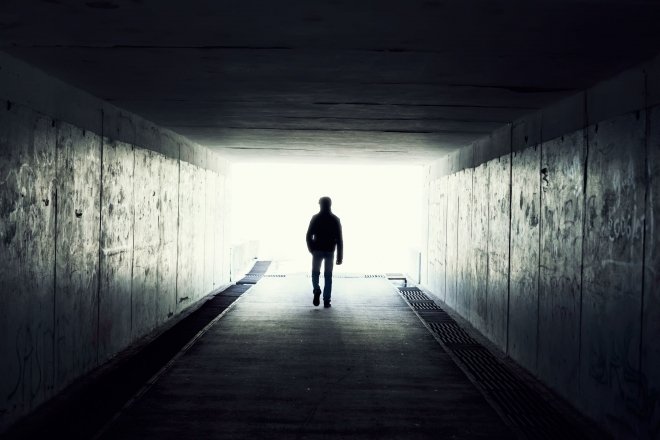
🏛️Chapter 3 : The Architecture of Solitude Built Through Being Alone
🏛️Being Alone-From Loneliness to a Legacy
“Being alone” refers to a state of acting solely on one’s own strength—without the help of others—or simply existing by oneself. It offers complete freedom across time, space, and relationships, allowing you to focus entirely on yourself. Living alone is not a sentence of isolation; rather, it is the ultimate arena for testing one’s autonomy. It is not a life defined by lack, but one that acknowledges and embraces the inherent incompleteness of existence. Consequently, the responsibility for such a life rests with you alone.

① The Symptom: The Dual Facets of the Solo Era
Whether by choice or by circumstance, the modern world is rapidly becoming an empire of single units. Young professionals deliberately choose urban autonomy, while the elderly navigate the quiet aftermath of a spouse’s passing. Yet, beneath the praised freedom of solo living lies a subtle, creeping deficit. It manifests as a sudden hollow ache when returning to a silent apartment, or the underlying anxiety of financial and physical vulnerability. Society often misdiagnoses this, framing solo dwellers either as “glamorous and fiercely independent” or “pitifully lonely.” The real symptom, however, is a deeper psychological friction: the longing for profound, meaningful connection while fiercely guarding one’s personal boundaries.
② The Analysis: The Deficit of Interdependence
The mental deficit experienced by those who live alone is rarely about the physical lack of people; it is about the erosion of Interdependence. In a highly atomized digital society, we have perfected the art of transactional relationships, but we have lost the infrastructure of community. Neurologically, prolonged emotional isolation triggers the same threat-response mechanisms in the brain as physical danger. For the young, the deficit is driven by the hyper-individualistic pressure to “have it all” alone. For the aging, it is the invisible erasure of their social roles. When living alone becomes a closed loop of self-reliance, the soul suffers from a lack of emotional mirroring—the comfort of being witnessed by another.
③ The Case Study: The Nordic Paradox and the Rise of “Soloism”
Look at Denmark and Sweden, nations celebrated for high happiness indexes where nearly 45–50% of households are single occupants. Sociologists point to the “Nordic Paradox”: while state-backed social safety nets allow individuals the economic freedom to live completely alone, loneliness rates among youth and elderly citizens have quietly spiked. Sociological tracking indicates that institutional security cannot substitute for organic human warmth. A separate 2025 longitudinal study on adult development confirmed that individuals living alone who lacked a structured, non-familial community experienced a 30% higher cognitive decline rate compared to those embedded in micro-networks. Autonomy without community is merely a polished cage.
④ The Prescription: Designing an Abundant Internal and External Territory
To transform the structural reality of solo living into a deeply fulfilling, rich existence, we must implement a deliberate architectural design for both the mind and the lifestyle.
- For the Individual: Cultivating the Anchor Within
- Upgrade Loneliness to Solitude: Loneliness is a deficit—the painful awareness of what is missing. Solitude is an asset—the rich celebration of one’s own presence. Treat your solo home not as a temporary transit station waiting for a partner, but as a sacred temple of your internal heritage.
- Establish Micro-Interactions (Somatic Ritual): Do not let your day lapse into total silence. Build a routine of deliberate, non-transactional human contact. Greet the local barista, join a physical book club, or engage in community volunteering. Your brain needs to experience being part of a living ecosystem.
- Financial Sovereignty and Automation: True peace of mind for solo dwellers comes from structural stability. Build a dedicated “emergency sanctuary fund” and automate your healthcare and financial safety nets to eliminate the quiet dread of “what if I fall ill?”
- For Society: Building Bridges, Not Just Walls
- Co-Housing and Micro-Communities: Urban architecture must evolve. We need residential spaces that balance private solo units with shared communal kitchens, gardens, and libraries—facilitating organic, daily human collision.
- Intergenerational Exchange Networks: Society must intentionally connect the youth who need affordable mentorship and housing with the elderly who possess surplus space and wisdom.
⑤ The Timeless Key
True poverty lies not in the absence of companions, but in the lack of a deeply cultivated inner world. A solitary life can easily veer into isolation; while independence is like a magnificent fortress, it must never become an isolated island. Cherish the private space where you dwell alone, yet do not forget to build bridges reaching out to the world beyond.
© Nosgia Mas. All rights reserved.



You May Also Like

🏛️Chapter 6 : The Invisible Architects-Reclaiming the Lost Self in the Landscape of Motherhood

🏛️Chapter: 20 The Swamp of Oblivion